
Unless it is provided by your employer, getting good dental coverage is expensive and most families just can’t afford it. In 2012, the National Association of Dental Plans reported more than 40 percent of citizens lacked coverage. ObamaCare required that all small group and individual plans cover children’s pediatric care, but that does not mean it is affordable because these days a single crown on a tooth can max out a family’s benefits. Therefore, many families are forced to cover expenses out of their own pockets. Here are four practical tips on how to save on dental care, in case a visit to the dentist is required.
#1 Visit a Dental School
 Many families are located near dental schools, especially in medium to large cities. If you are within driving distance it can save you a bundle. Many dental schools offer inexpensive dental procedures to the public. The students are supervised by real dentists. If they are good enough to teach, they will make sure their students who are ready to perform services to the public will do a fine job. There are some downsides though. Procedures take longer than an experienced Dentist would take. First the student examines you and then presents a proposed treatment plan to the instructor. Then the instructor examines you and discusses your treatment with the student. Then the student begins and may consult with the instructor along the way. Finally, the instructor examines the work done and may recommend adjustments or touch up something themselves. Although a visit takes a bit longer if you have the time the savings can be substantial- a filling that would cost $400 from a regular dentist might only cost $45 from a student. The up-side is that the students will spend more time with you and generally be more thorough than a regular dentist who will just rush you out. Generally, there are only 1 or two dental schools in each state, so if you are searching for “dentists in Charleston wv” you will find that the closest Dental school is West Virginia University in Morgantown, which is about 2 ½ hours away. This may be farther than you wish to travel so you will need to try something else.
#2 Sliding Scale Dental Care Clinics
There are many sliding scale dental clinics based on income and family size, and there are many multipurpose clinics that operate on sliding scales with dental departments. These clinics are generally subsidized by the state or federal government. The dental departments in clinics offering multiple services are going to be significantly cheaper. Some of them offer free services no matter what the income level is. For example, getting an initial evaluation and X-rays and extractions are done free of charge. Fillings, wisdom teeth removal and other minor procedures are extremely affordable. The downside is the wait time for an appointment because they are not private practices, and many of these types of clinics do not do more advanced procedures like root canals or bridge work. A Google search of “sliding scale dental clinics in WV” does bring up a hefty list so even if you aren’t close to Morgantown you aren’t entirely out of luck.
#3 Time Your Elective Procedures
FSAs (Flexible Spending Accounts) max out at $2500 a year and most dental plans do the same at $1000 a year. So what can you do if you require expensive dental work? Since most benefits reset at the start of the calendar year, by proper scheduling you can spread the procedure out over 2 years, which is great for procedures requiring extensive visits. 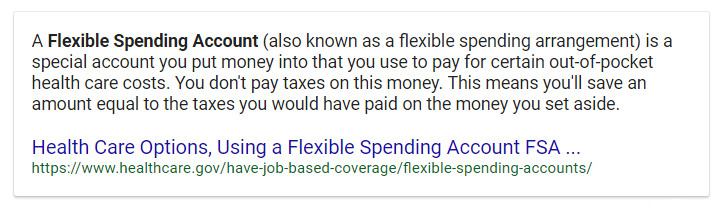 Intensive procedures done on any member of the family, especially children, will need time to heal, so it is understandable to oral surgeons for families to want to wait until new insurance benefits kick in. Simply begin the regimen near the end of the year and pay for that portion and then complete them early the following year and pay for that portion. Your Dentist’s office manager should be able to help you keep it all legal.
#4 Consider Financing
Dentists and oral surgeons are well aware of the insurance situation in the country and how it is difficult on their patients, so there are many who offer financing options. Some offices offer low-interest financing, and there are many who offer no-interest plans, especially to regular customers. Others will have a sort of “Lay-Away” where you can pay in advance and receive a discount (often 10-20%).
Caution is still encouraged. Even if there is no-interest financing plans, it is wise for families to still make sure they can afford the payments. Imagine if there is a work to be done over a long period of time and payments are not met before the next procedure. Also, missed or late payments can make dentists understandably hike interest rates. Nevertheless, financing is a great way to get important family dental work done when immediate payments cannot be met.
Believe it or not, these four tips are not the only ones out there. Extensive research is every family’s best weapon to combat hard times. Be sure to look at all of your options. If all else fails talk to your local dentists and see if one is willing to work with you. But don’t wait until it is an emergency. Dentists like to schedule their time and rush patients will pay a premium. As far dental care goes, nothing beats preventative care, and utilizing those low-cost or free checks and cleans at dental schools is by far the most cost effective.